
The Empowerment Approach
The Empowerment Approach, developed by Changing Chances, is a trauma‑informed, strengths‑based framework designed to support children and young people who may experience emotional, social, or behavioural challenges. In educational settings, the approach focuses on creating emotionally safe environments where pupils feel understood, valued, and supported to engage positively with learning.
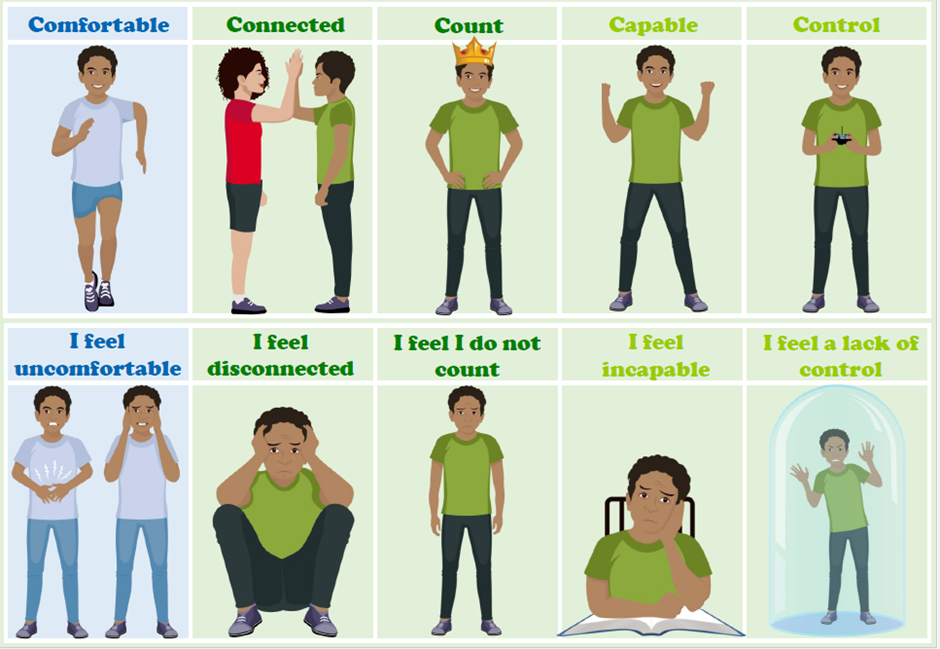
Central to the Empowerment Approach is the concept of being at “brain best.” Being at brain best means that a pupil’s brain is calm, regulated, and ready to learn. When pupils feel safe and supported, they are able to access the thinking part of the brain responsible for reasoning, problem‑solving, and decision‑making. If a pupil feels anxious, overwhelmed, or threatened, their brain may enter survival mode (fight, flight, or freeze), making learning and positive behaviour much more difficult. The approach therefore prioritises emotional regulation and relational safety before academic expectations.
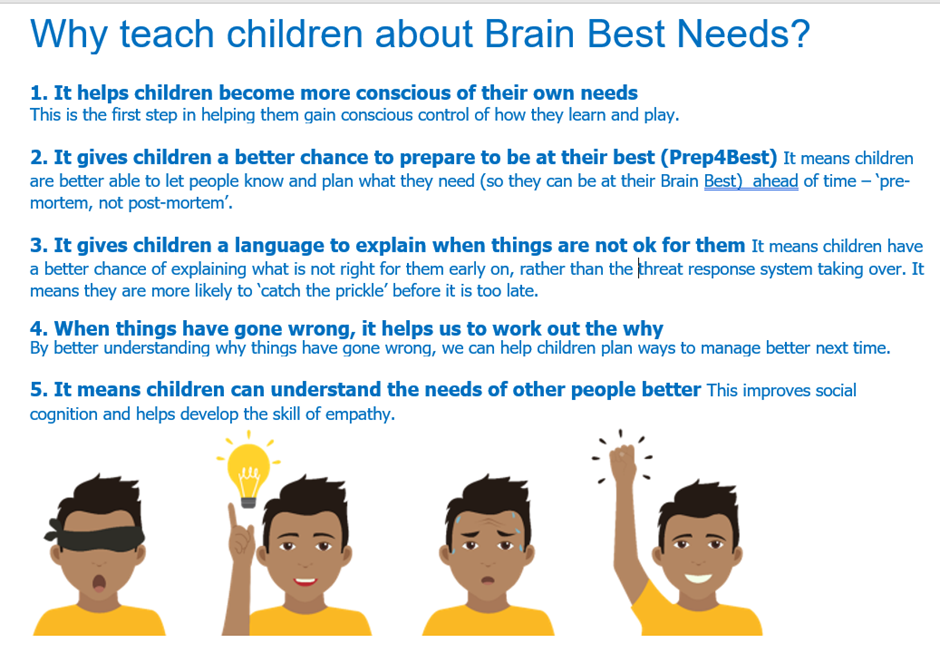
The Empowerment Approach is closely linked to the development of executive functioning skills. Executive functioning skills are the mental processes that help pupils manage their behaviour and learning, including attention, impulse control, working memory, emotional regulation, planning, organisation, and flexibility. These skills are essential for classroom success but are often underdeveloped or disrupted in pupils who have experienced stress, trauma, or unmet needs.
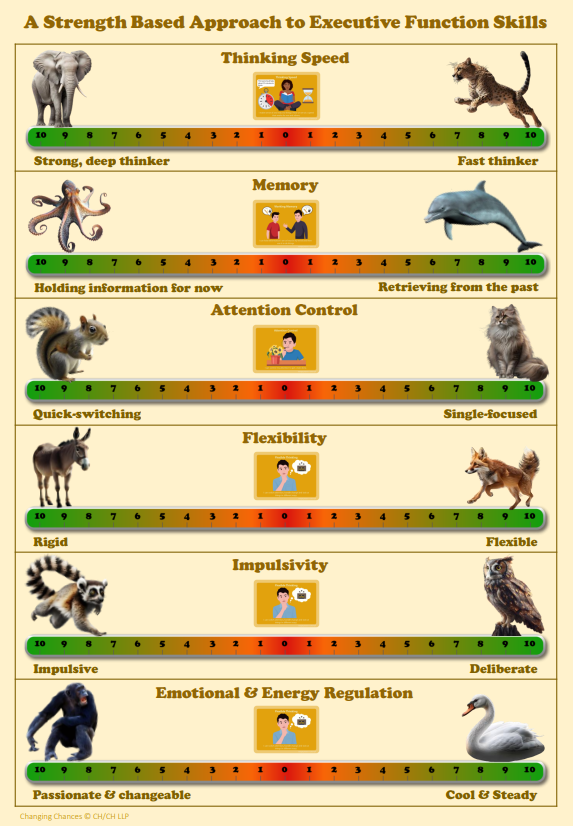
When pupils are not at their brain best, executive functioning skills may be significantly reduced. This can result in behaviours such as impulsivity, difficulty following instructions, poor focus, or emotional outbursts. The Empowerment Approach views these behaviours not as deliberate choices, but as signs that a pupil needs support to regulate and re‑engage.
In practice, the approach supports executive functioning by creating predictable routines, using clear and consistent boundaries, breaking tasks into manageable steps, and providing visual or verbal prompts. Adults model calm and supportive responses, helping pupils to name emotions, recover from dysregulation, and gradually build independence. By reducing stress and cognitive overload, pupils are better able to practise and strengthen executive functioning skills over time.
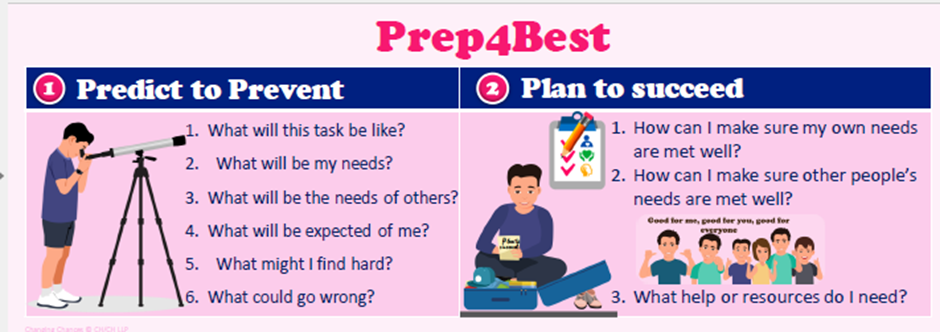
Overall, the Empowerment Approach helps pupils return to their brain best, where learning and positive behaviour become possible. By focusing on emotional safety, relational support, and skill‑building rather than punishment, the approach empowers pupils to develop resilience, self‑regulation, and confidence, supporting both their academic progress and long‑term wellbeing.
For more information about this approach, you can buy a copy of 'Curious Not Furious: Empowering children to take charge of their brains and behaviour - a practical toolkit' by Alison Rendle and Kit Messenger which is also available on audio book.